El Archivo de Borinquen
Documenting colonial history through primary sources
A factual, source-backed archive documenting the colonial history and ongoing oppression of colonized territories. Every claim corroborated. Every source cited.
Explore the ArchiveMamí, take a look.
Where is the accountability?
The colonial government killed its own people and erased the evidence. These are not distant events. The buildings are crumbling. The museums are closed. The history is being forgotten.
The Ponce Massacre
On Palm Sunday, March 21, 1937, police opened fire on a peaceful Nationalist march. 19 people were killed, over 200 wounded. The Hays Commission called it a massacre provoked by a climate of intolerance under Governor Blanton Winship.
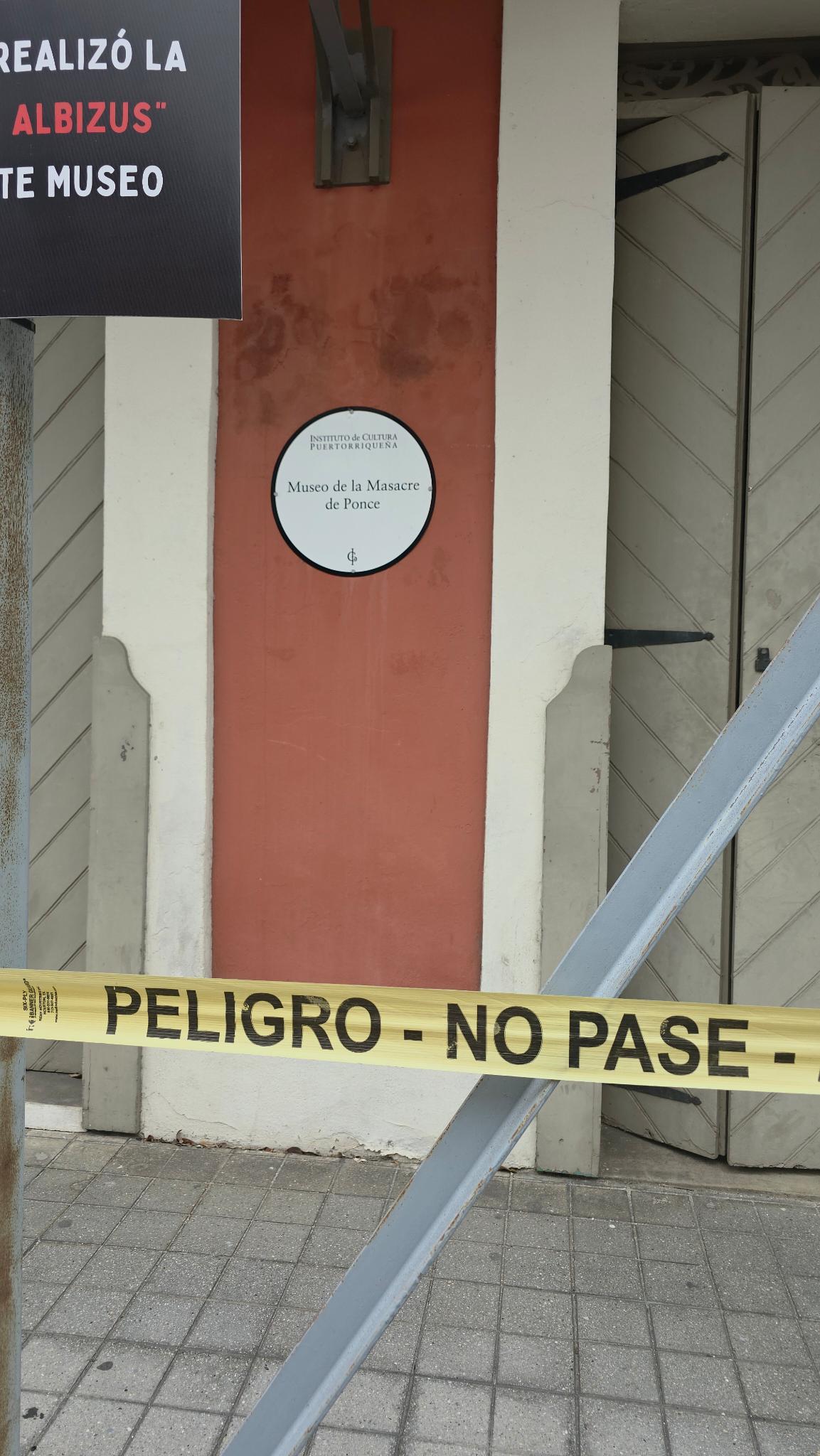
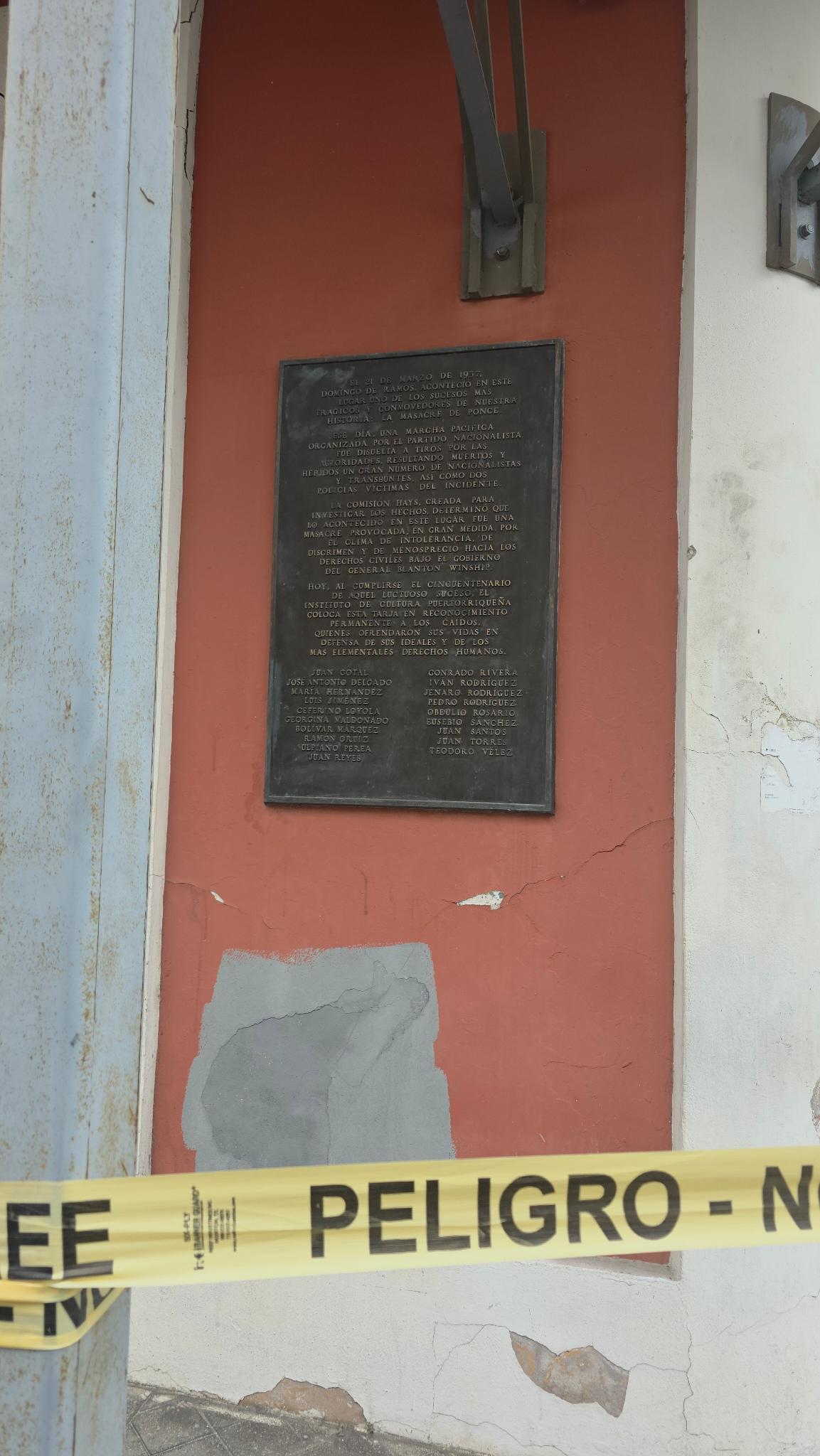
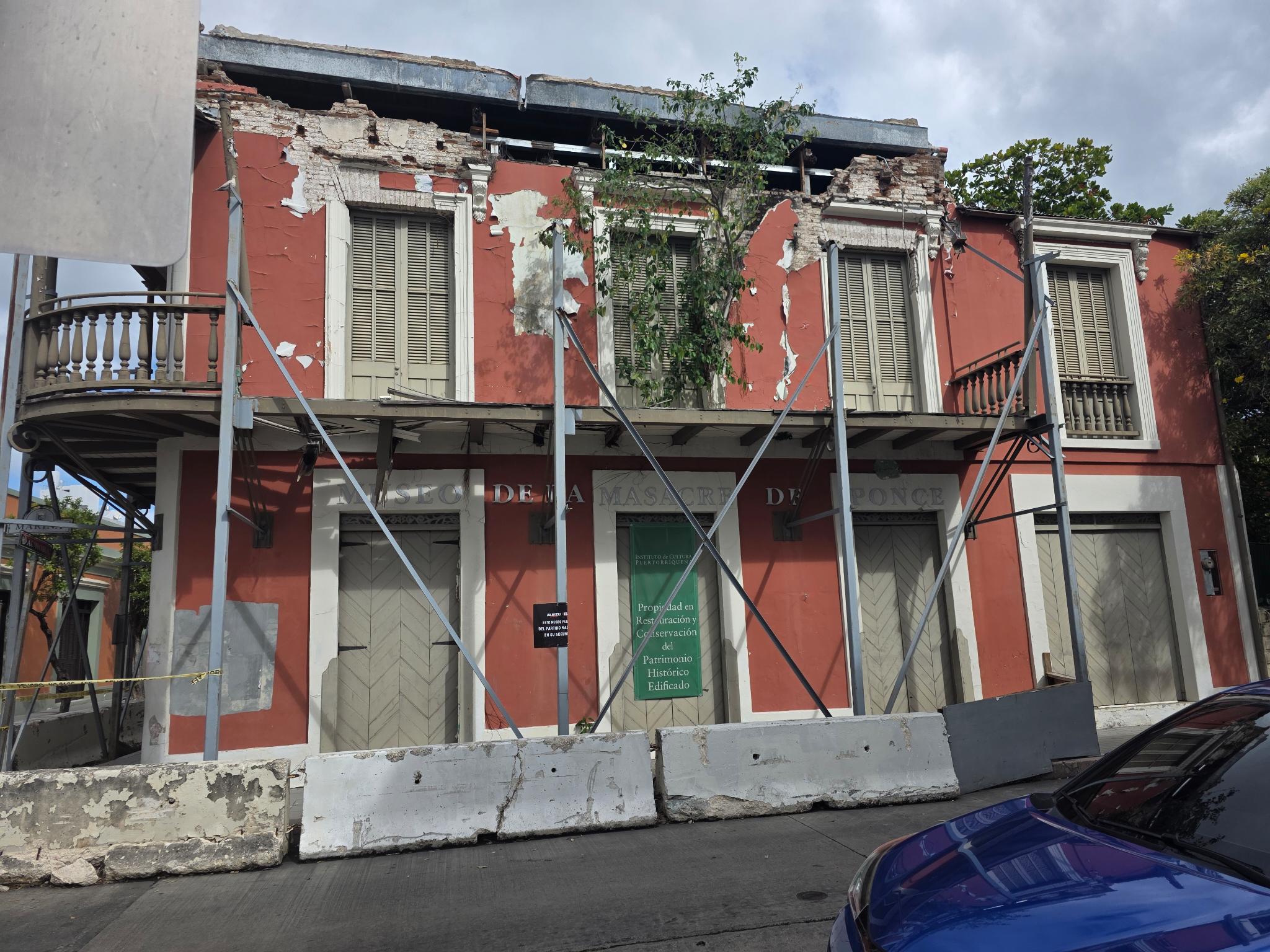
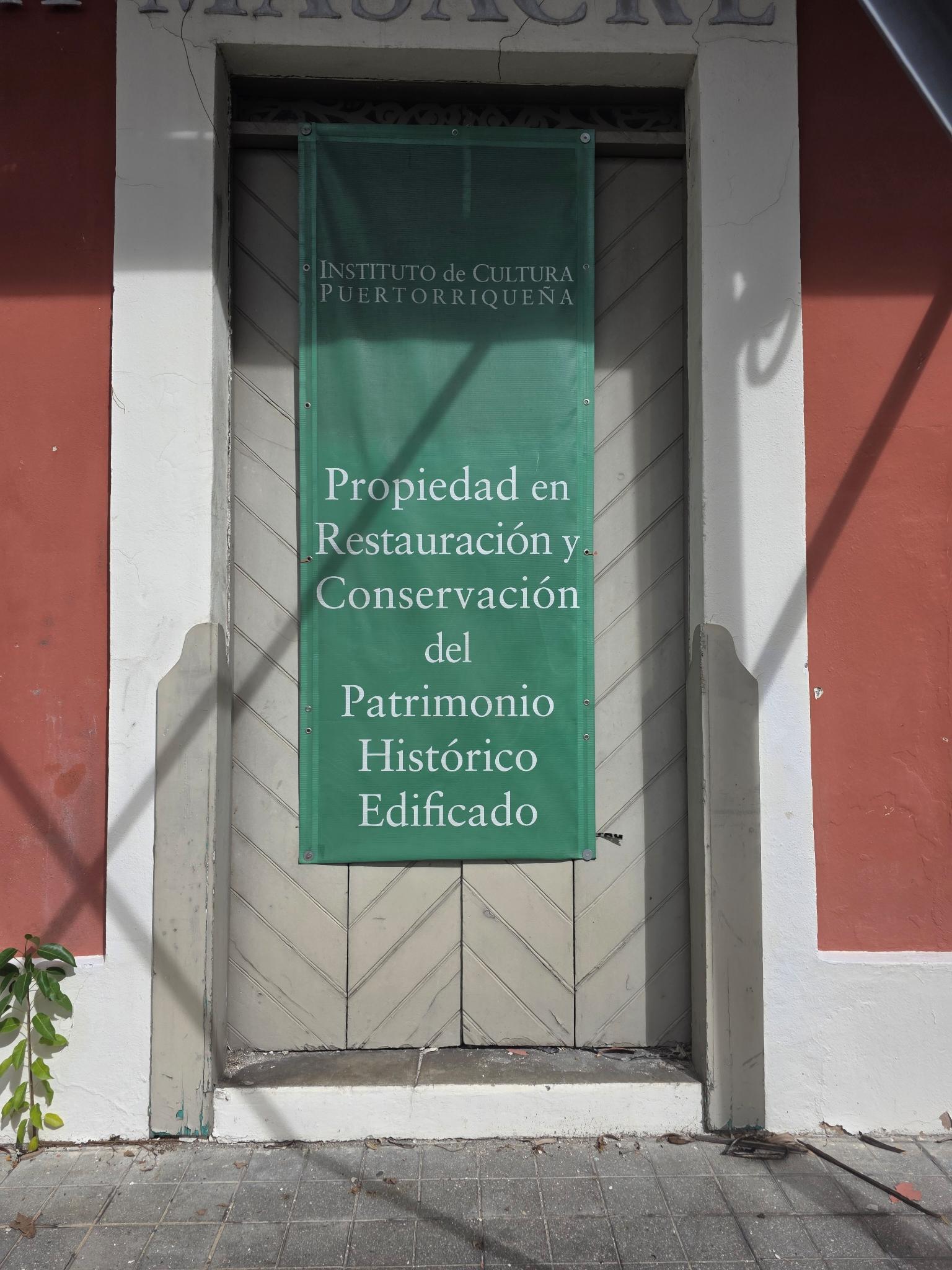
Photos taken March 2026. The museum is not on Google Maps. Local police did not know what the Ponce Massacre was. A deaf man pointed us to the building.
Read the full history →The Cerro Maravilla Murders
On July 25, 1978, two young pro-independence activists — Arnaldo Darío Rosado Torres, 24, and Carlos Enrique Soto Arriví, 18 — were lured to a mountaintop by an undercover police agent, ambushed, beaten, and executed after surrendering. The government praised the officers as heroes. The cover-up lasted seven years.
"These terrorists should not come down from the mountain alive." — Colonel Ángel Pérez Casillas, Intelligence Division Commander
The victims: Arnaldo Darío Rosado Torres & Carlos Enrique Soto Arriví. In 1985, ten officers were convicted of perjury. Sentences ranged from 6 to 30 years.
Read the full history →Topics
Colonial Extraction
Economic exploitation, resource extraction, and wealth transfer from Puerto Rico to colonial powers. From Spanish gold mining and sugar plantations to U.S. corporate agriculture and modern debt structures.
Learn More →Legal Oppression
Legal frameworks designed to maintain colonial control over Puerto Rico. Treaties, federal laws, and court decisions that systematically deny self-determination and full constitutional rights.
Learn More →Cultural Suppression
Systematic efforts to erase, diminish, or replace Puerto Rican cultural identity, language, and traditions. Includes forced Americanization, language policies, and suppression of national identity.
Learn More →Environmental Violence
Environmental destruction and contamination inflicted on Puerto Rican land and communities. Military testing, toxic waste, industrial pollution, and the health consequences borne by residents.
Learn More →Contemporary Colonialism
Ongoing colonial structures and their modern manifestations. The debt crisis, disaster capitalism, privatization, austerity measures, and the continued denial of self-determination.
Learn More →Resistance
Puerto Rican resistance to colonial rule across five centuries. Armed uprisings, civil disobedience, political organizing, cultural preservation, and the ongoing struggle for self-determination.
Learn More →Key Events
View TimelineGuajataca Dam Crisis: Near-Failure After Hurricane María (2017)
Hurricane María caused critical damage to the Guajataca Dam in Quebradillas, forcing the emergency evacuation of 70,000 people downstream and exposing decades of deferred maintenance on Puerto Rico's aging dam infrastructure — a direct consequence of colonial fiscal constraints and austerity policies.
AES Coal Ash Crisis: Toxic Dumping in Peñuelas and Guayama
The AES coal-burning power plant in Guayama has produced millions of tons of toxic coal ash since 2002, dumping it in communities in Peñuelas and Guayama despite evidence of heavy metal contamination of groundwater, soil, and air, making it one of the worst environmental justice crises in Puerto Rico.
The PRASA Water Crisis: Colonial Infrastructure Failure
Puerto Rico's water system — managed by PRASA (Puerto Rico Aqueduct and Sewer Authority) — loses approximately 60% of treated water through leaks, serves water that violates Safe Drinking Water Act standards to hundreds of thousands of residents, and represents decades of colonial infrastructure neglect.
Puerto Rico Status Plebiscites (1967-2020)
Puerto Rico has held six non-binding status plebiscites (1967, 1993, 1998, 2012, 2017, 2020), none of which have resulted in a change to the island's territorial status because Congress is not obligated to act on the results.
Destruction of Puerto Rico's Karst Landscape
Puerto Rico's karst limestone covers 244,285 hectares (27.5% of the island's surface), containing its most productive aquifer and highest biodiversity—1,300 species including 30 federally listed threatened species. Limestone quarrying for cement and construction has been destroying the unique mogote formations, while industrial contamination of the porous aquifer led to 41% of drinking water wells being closed by 1987.
The Chardon Plan and Puerto Rico Reconstruction Administration (1934-1941)
The Chardon Plan of 1934, drafted by University of Puerto Rico chancellor Carlos Chardón, proposed breaking up large sugar estates, redistributing land to small farmers, and industrializing the island. Though partially implemented through the Puerto Rico Reconstruction Administration, it was ultimately undermined by sugar industry opposition and colonial constraints.