COINTELPRO in Puerto Rico: FBI Surveillance and Disruption (1960s-1971)
The FBI's COINTELPRO program targeted Puerto Rican independence organizations for infiltration, surveillance, and disruption — complementing the local carpetas system and representing federal-level political repression of the independence movement.
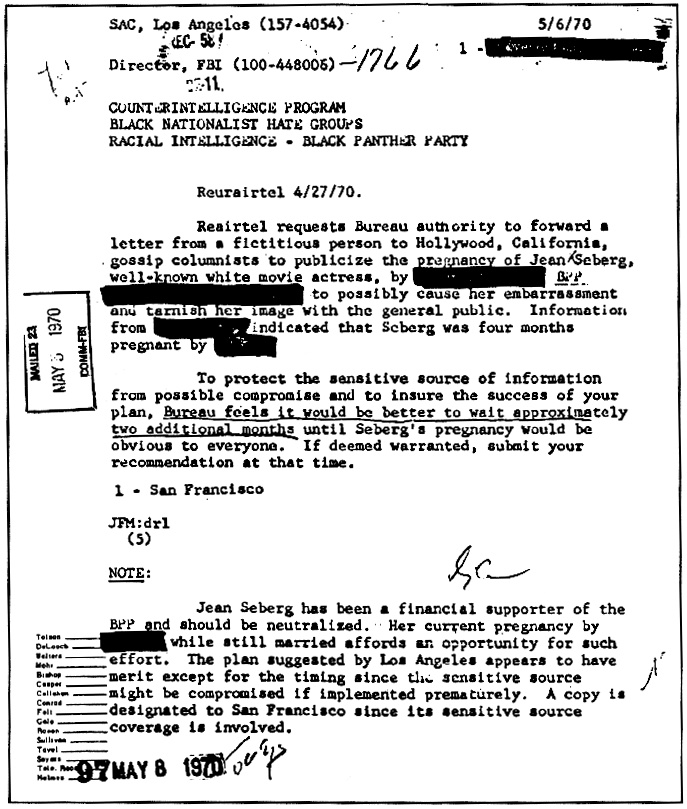
COINTELPRO (Counter Intelligence Program) was the FBI's domestic counterintelligence program that targeted groups the Bureau considered subversive — including the Puerto Rican independence movement.
The Program: From the 1960s until its exposure in 1971 (when activists broke into an FBI office in Media, Pennsylvania and leaked documents), COINTELPRO conducted operations against Puerto Rican independence organizations:
Targets:
- Pro-Independence Movement (MPI)
- Puerto Rican Socialist Party (PSP)
- Puerto Rican Independence Party (PIP)
- FUPI (Federation of Pro-Independence University Students)
- Individual independence leaders, journalists, and activists
Tactics:
- Infiltrating organizations with informants
- Planting disinformation to create internal divisions
- Sending anonymous letters to create mistrust between organizations
- Surveillance (phone taps, mail opening, physical surveillance)
- Creating fake organizations to divert activist energy
- Coordinating with Puerto Rico's local police intelligence (carpetas)
- Attempting to discredit leaders through fabricated scandals
Connection to Carpetas: COINTELPRO worked in conjunction with the Puerto Rico Police's intelligence division, which maintained the 'carpetas' (dossiers) on over 150,000 independence supporters. The FBI provided resources, training, and coordination while local police provided on-the-ground intelligence.
Documented Operations:
- Surveillance of PIP electoral campaigns
- Infiltration of university student organizations
- Monitoring of cultural events associated with independence (musical performances, literary gatherings, flag-raising ceremonies)
- Tracking of Puerto Ricans traveling to Cuba or communist countries
- Disruption of independence movement fundraising
Exposure and Aftermath: After COINTELPRO was exposed in 1971, congressional investigations (the Church Committee, 1975-1976) documented the program's activities. The Church Committee found that the FBI had:
- Violated constitutional rights of U.S. citizens
- Targeted political organizations based on ideology rather than criminal activity
- Used techniques designed to destroy organizations rather than investigate crimes
Significance: COINTELPRO demonstrated that the U.S. federal government — not just the local colonial government — actively suppressed Puerto Rican self-determination. The independence movement was targeted not because it was violent (most independence advocacy was peaceful and legal) but because it challenged the colonial relationship. Political persecution of independence was federal policy, not just local excess.
Sources
-
COINTELPRO Documents - FBI Vault
https://vault.fbi.gov/cointel-pro -
Church Committee Report
https://www.senate.gov/about/powers-procedures/investigations/church-committee.htm