Puerto Rico's Electoral System: Democracy Within the Colony
Puerto Rico's electoral system — in which voters elect a governor, legislature, and municipal governments but cannot vote for president or elect voting members of Congress — creates a unique form of limited democracy. The island's multi-party system is organized primarily around the status question (statehood vs. commonwealth vs. independence) rather than left-right ideology, and the emergence of new parties like the Movimiento Victoria Ciudadana signals a potential realignment.

Puerto Rico has a vigorous internal democracy — but it exists within a colonial framework that renders much of that democracy meaningless at the federal level.
The Structure:
- Governor: Elected every four years — head of the commonwealth government
- Legislature: Bicameral — Senate (27 members) and House of Representatives (51 members)
- Municipal governments: 78 municipalities with elected mayors and assemblies
- Resident Commissioner: Puerto Rico's sole representative in the U.S. Congress — can participate in debate and committees but CANNOT VOTE on legislation
The Traditional Parties:
Puerto Rico's party system has been organized around the status question:
1. Partido Popular Democrático (PPD): Founded by Luis Muñoz Marín — supports the current commonwealth status (or enhanced commonwealth). Historically dominant, center-left on local issues
2. Partido Nuevo Progresista (PNP): Supports statehood. Center-right on some issues, but the party includes progressive and conservative wings
3. Partido Independentista Puertorriqueño (PIP): Supports independence. Left-leaning, led by Rubén Berríos Martínez. Has maintained ballot access despite small vote share
The 2020 Realignment:
The 2020 elections signaled a potential shift:
- Movimiento Victoria Ciudadana (MVC): A new progressive party that de-emphasizes the status question in favor of social justice, environmental protection, feminism, and anti-corruption
- Proyecto Dignidad: A new conservative party emphasizing religious values
- Together, these parties captured enough votes to suggest the traditional two-party (PPD/PNP) dominance may be ending
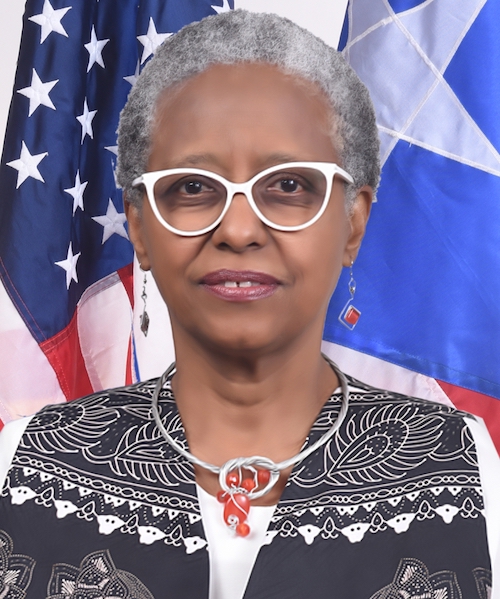
- Ana Irma Rivera Lassén (MVC) was elected to the Senate — the first openly LGBTQ+ senator
The Colonial Limitations:
Puerto Rico's democracy operates under colonial constraints:
1. Federal supremacy: Federal law overrides local law — Puerto Rico's legislature cannot contradict federal statutes
2. Fiscal control board: The FOMB can override the elected government's budget decisions
3. No federal vote: The most consequential decisions affecting Puerto Rico (federal tax policy, military deployments, Supreme Court appointments) are made by officials Puerto Ricans cannot vote for
4. Territorial clause: Congress has plenary power over Puerto Rico — it can modify or revoke the island's self-governance at any time
5. Constitutional subordination: Puerto Rico's constitution was approved by Congress and can theoretically be modified by Congress
Voter Participation:
Despite (or because of) colonial constraints, Puerto Ricans vote at high rates in local elections:
- Turnout regularly exceeds 75-80% in general elections — higher than U.S. mainland turnout
- This high participation reflects the intensity of political engagement — particularly around the status question
- The paradox: Puerto Ricans are among the most politically engaged Americans, yet they have the least political power
Historical Figures
Sources
-
Puerto Rico Elections - CEE
https://ww2.ceepur.org/ -
Jacobo Morales - Enciclopedia PR
https://enciclopediapr.org/