Puerto Rico in the Olympics: A Nation Without a State
Puerto Rico has competed as an independent nation in the Olympic Games since 1948 — one of the few spaces where Puerto Rico's national identity is internationally recognized. Puerto Rican athletes march under the Puerto Rican flag, hear La Borinqueña when they win gold, and represent a nation that has no sovereignty. The Olympic identity is politically significant: it demonstrates that Puerto Rico is a nation, even if the colonial power denies it statehood or independence.
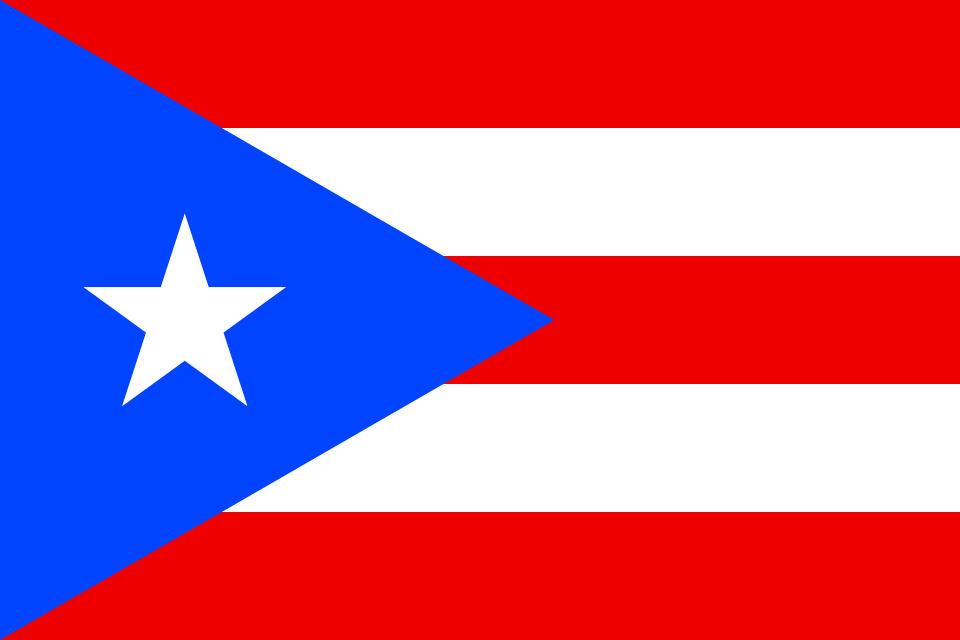
Puerto Rico's Olympic participation is one of the most visible expressions of national identity — a space where a colonized people compete as equals on the world stage.
The History:
- Puerto Rico formed its Olympic Committee in 1948
- The International Olympic Committee (IOC) recognized Puerto Rico as a separate National Olympic Committee
- Puerto Rico first competed in the 1948 London Olympics
- Since then, Puerto Rican athletes have competed in every Summer Olympics and many Winter Olympics
- Puerto Rico competes separately from the United States — unlike other U.S. territories
Medal History:
Puerto Rico has won Olympic medals in:
- Boxing: Multiple medals — the most successful Olympic sport for Puerto Rico
- Wrestling: Medals from the 1990s-2000s
- Tennis: Monica Puig won Puerto Rico's first gold medal at the 2016 Rio Olympics — a landmark moment
- Track and field: Jasmine Camacho-Quinn won gold in the 100m hurdles at the 2020 Tokyo Olympics
Monica Puig's Gold (2016):
Monica Puig's tennis gold medal at Rio 2016 was a transformative moment:
- The first Olympic gold medal in Puerto Rico's history
- Won during a period of economic crisis and post-PROMESA demoralization
- The victory was celebrated as a national triumph — not just a sporting achievement
- Puig became a symbol of Puerto Rican excellence and resilience
Jasmine Camacho-Quinn's Gold (2021):
Camacho-Quinn's gold in the 100m hurdles at Tokyo 2020 (held in 2021):
- Puerto Rico's second gold medal
- Won during the ongoing pandemic and post-earthquake recovery
- Reinforced Puerto Rico's identity as a nation capable of competing at the highest level
Political Significance:
Olympic participation is deeply political:
1. National recognition: The IOC recognizes Puerto Rico as a nation — a recognition that the U.S. political system denies
2. Flag and anthem: Puerto Rican athletes march under the Puerto Rican flag and hear La Borinqueña — the national anthem — in victory. These symbols of national identity are celebrated internationally
3. Statehood threat: Some statehood advocates have noted that if Puerto Rico becomes a state, it might lose its separate Olympic identity — athletes would compete as Americans. This is a significant cultural concern
4. Identity affirmation: Every Olympic cycle reinforces Puerto Rican national identity — 'we are a nation, we compete as a nation, we win as a nation'
5. Diaspora pride: The diaspora celebrates Puerto Rico's Olympic achievements — reinforcing the connection between island and mainland communities
The Miss Universe Connection:
Similarly, Puerto Rico competes separately in Miss Universe — and has won five times (1970, 1985, 1993, 2001, 2006) — more than most sovereign nations. Like the Olympics, beauty pageants are spaces where Puerto Rican national identity is internationally recognized.
Historical Figures


Sources
-
Puerto Rico Olympic Committee
https://www.copur.pr/ -
Olympic History PR - Sports Reference
https://www.sports-reference.com/olympics/countries/PUR/